












About
All Clinic Loveline Filler

What is Loveline Filler?
Loveline Filler adds natural facial volume
Through meticulous filler treatment on the area of concern
Make the overall impression more sophisticated It makes it.
Information
-
 Treatment Time
10 minute
-
 Recovery Period
Immediate Return to Daily Life Possible
-
 Anesthesia method
ointment anesthesia
-
 Maintenance Period
6 to 12 months
Why, All Clinic?
SPECIAL POINT 01
Leading first-generation filler hospital
Leading the trend with filler-focused treatment for over 15 yearsand
Even girl group members who are sensitive to small changes trust and seek it out.
It will be performed according to the treatment designated by the director.
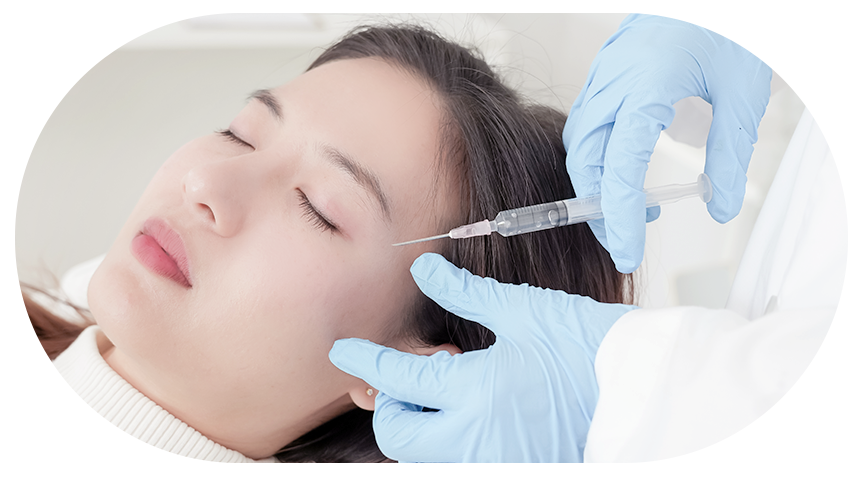
SPECIAL POINT 02
High satisfaction and retention
Areas that need improvement, balance and harmony with the face, etc.
In consideration Detailed design is possible
Satisfaction and lasting effectshas been raised.

SPECIAL POINT 03
Officially certified filler
Key Doctor
He is recognized as an official Restylane/Neuramis certified key doctor with authority.
For safe and satisfactory treatment for patients
Only safe and proven treatment methods and materials are used.We are doing.

SPECIAL POINT 04
Aftercare system
Even after the procedure, you will receive happy calls from dedicated staff members.
Please check the progress carefully Worthy
We strive to provide medical servicesWe are doing.

To All Clinic
What is Loveline Filler?
All Clinic is It's different.
There are many places that provide filler treatments.
However, the procedure performed by a less experienced practitioner
It is difficult to expect high satisfaction.
All Clinic has been focusing on filler treatment for 15 years.
With tens of thousands of filler treatment cases and know-how,
Designed to be safe and beautiful.
The most important thing in filler treatment according to All Clinic is
“The skill and experience of the practitioner, and good materials.”
This content was written after a medical review by Chief Director Kim Se-hyung.

Lively face
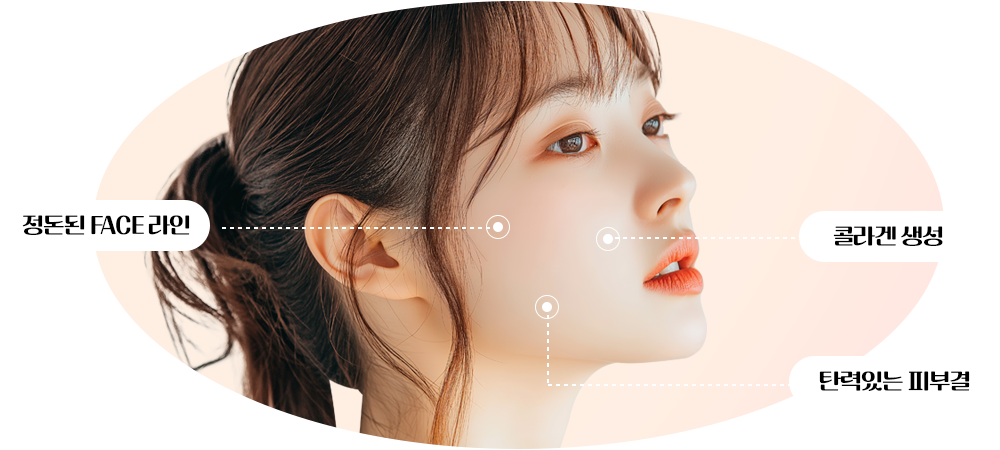
It is completed by improving wrinkles and producing collagen at the same time.
Young and resilient appearance
All Clinic's Loveline Filler not only increases volume,
It also helps to improve facial contouring and facial asymmetry.
Improves sagging and sagging facial contours to create a more elastic and youthful appearance
It works.
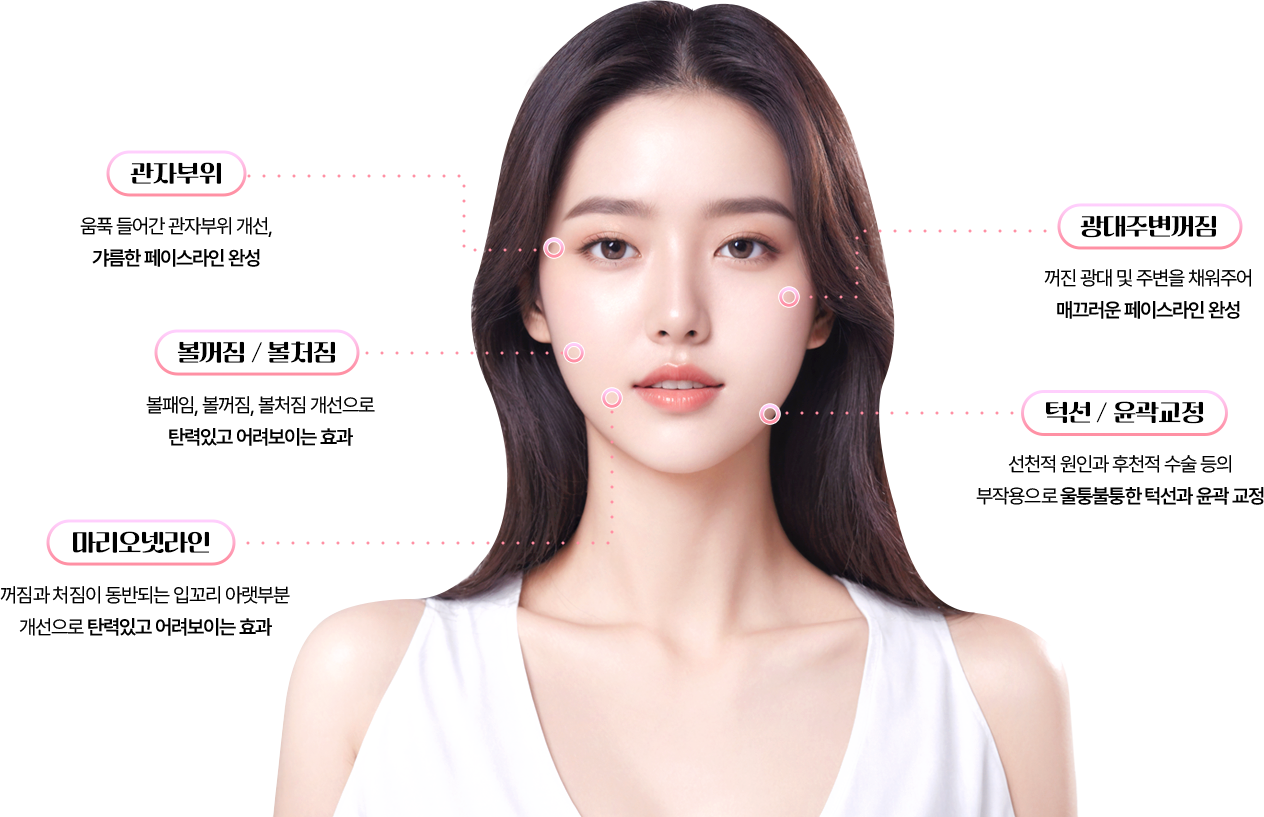
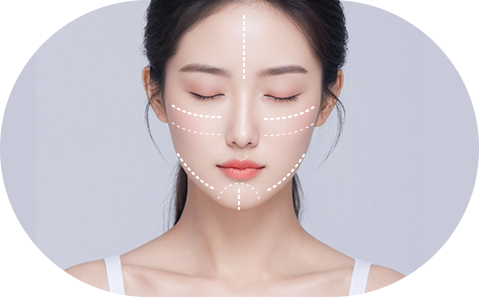
Loveline Filler Treatment area
All Clinic Loveline Filler is Improves facial asymmetry as well as volumeIt also helps to:
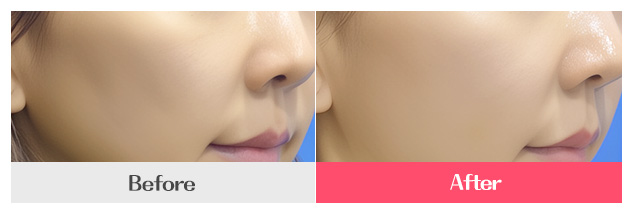
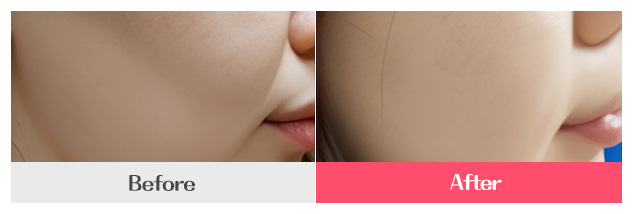
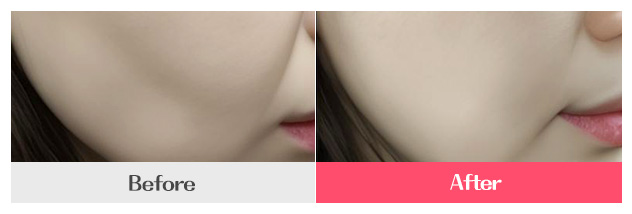
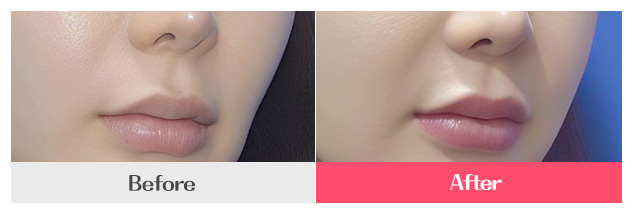
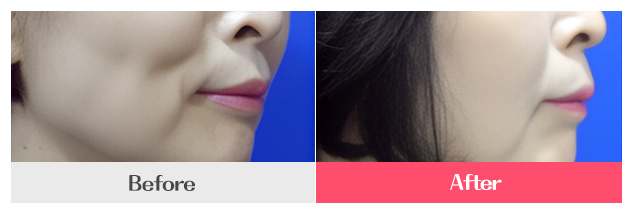
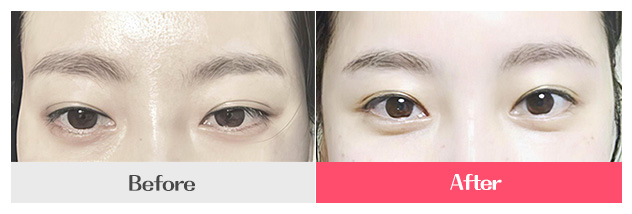
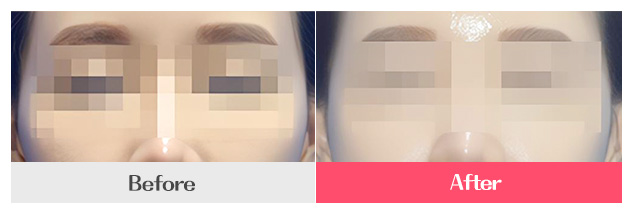
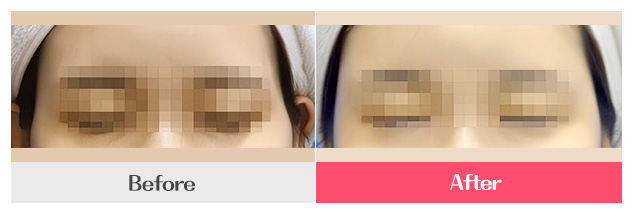
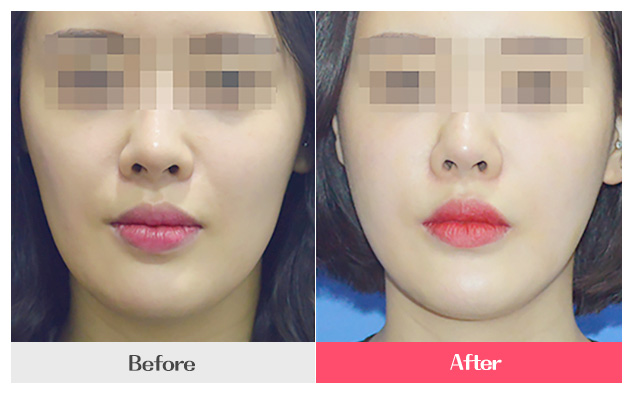
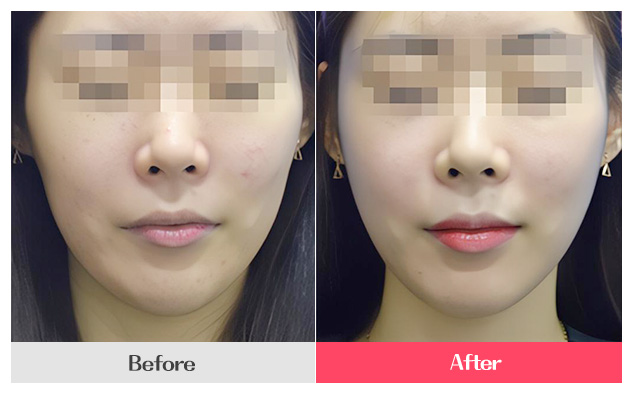
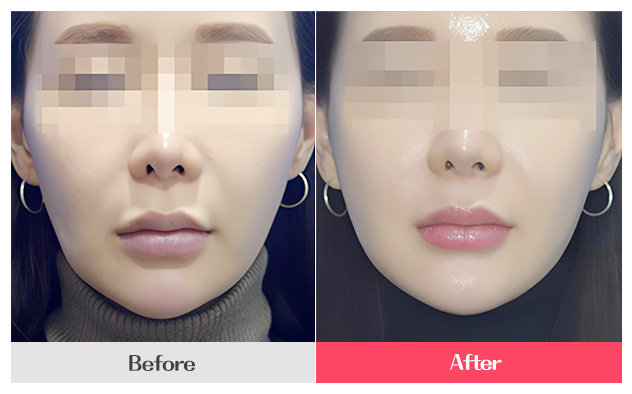
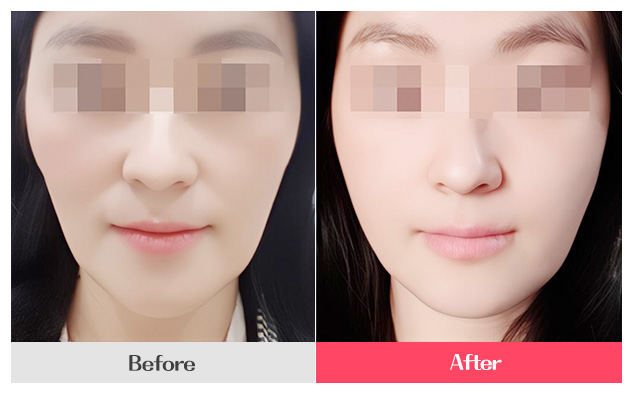
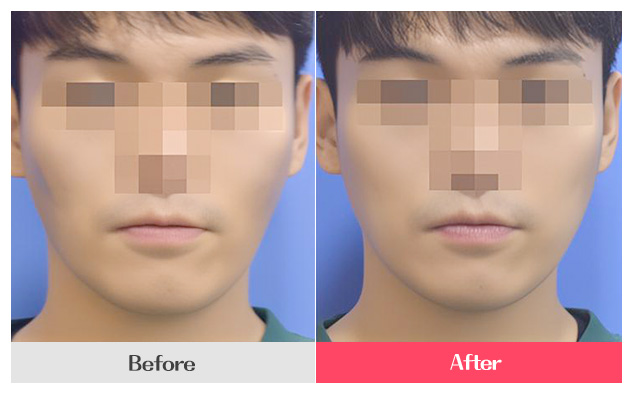
before & after
For a resilient facial line
Loveline Filler for a long-lasting look
It is not a filler that simply adds volume, but rather a filler that corrects sagging and sagging.
1:1 customized treatment, asymmetry correction, and thorough treatment considering the overall balance of the face.
Loveline filler procedure

- step 01
- Confirmation of treatment area through customized consultation
- step 02
- Designed to fit each individual's facial proportions

- step 03
- Filler injection into the treatment area
Procedure product
Loveline Filler
Treatment products
At All Clinic, we only use fillers that have been proven safe for many years.
The procedure is performed with consideration to a natural design and a soft, non-irritating texture.
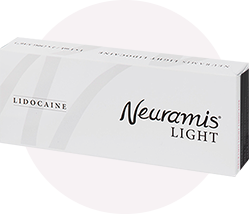
domestic
Neuramis LIGHT
Neuramis Light
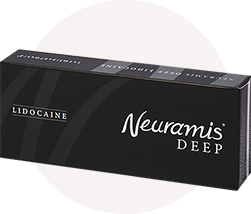
domestic
Neuramis DEEP
Neuramis Deep
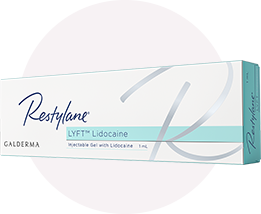
income
Restylane LYFT
Restylane Lift
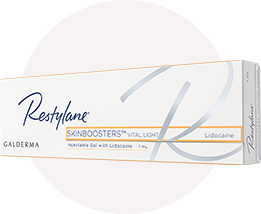
income
Restylane VITAL
Restylane Vital
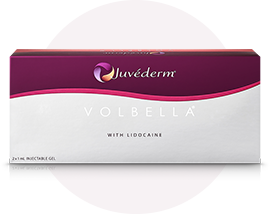
income
juvederm VOLBELLA
Juvederm Volbella
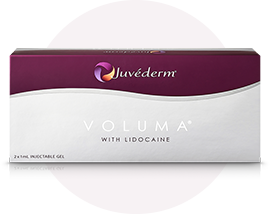
income
juvederm VOLUMA
Juvederm Voluma
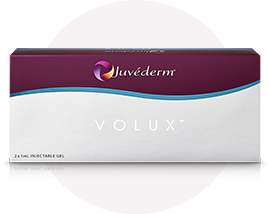
income
juvederm VOLUX
Juvederm Bollux
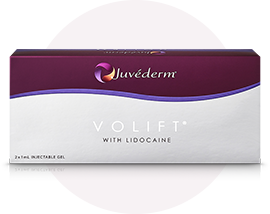
income
juvederm VOLIFT
Juvederm Vollift
Loveline Filler Recommended type!
Only at All Clinic
PREMIUM SYSTEM

POINT 01
Skilled medical staff
Personalized solutions

POINT 02
Premium with proven safety
Use of products and equipment

POINT 03
Thorough hygiene management and
Pain Minimization System

POINT 04
Skin without self-care and
Pre- and post-lifting care

POINT 05
After the procedure, a dedicated staff member
Happy Call & Aftercare

The effectiveness of Olclinic proven by results
People who became pretty at All Clinic
65,303
persons
(All Clinic Internal Statistics)
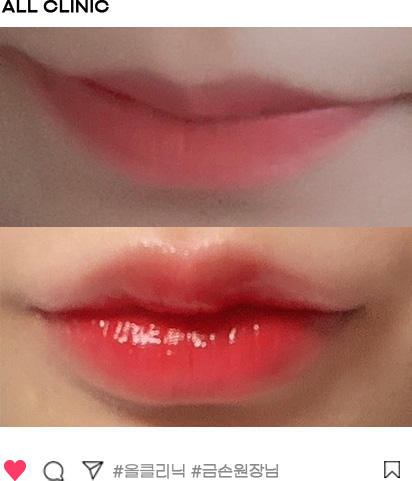
ALL CLINIC Real Selfie Review
I liked the lip filler so much that I came back!
I'm back!! I really liked the lip filler so I came back.
The director and the manager!! They were so kind and gave me advice.
Above all!! I am very satisfied with the shape of my lips.
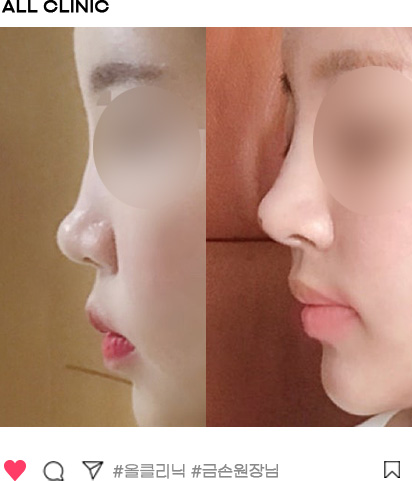
ALL CLINIC Real Selfie Review
I got double up highco at All Clinic❤️
My complex was about my bumpy nose and the tip of my nose being upturned.
I got the procedure done at All Clinic and I love my smooth nose line❤️
It's definitely different from other hospitals ㅠㅠㅠㅠ
Thank you so much, All Clinic~~~😭
I'm really looking forward to the next retouch😍
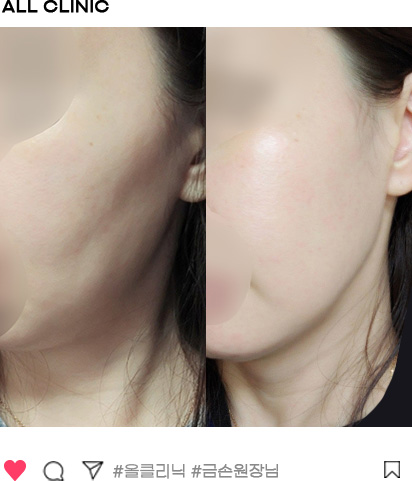
ALL CLINIC Real Selfie Review
Ball filler review!
Around mid-July? I received it through Neuramis and received a little over 7cc!
When I received the first treatment, there was almost no bruising or swelling.
There was a slight injection mark on the first day.
It feels like it fits perfectly? It fits comfortably.
It's over really quickly. I enjoyed it.
The head of All Clinic is the bestㅠㅠ
I was worried about Ji-rang and ended up selling a lot of my skills, but I think I made a good choice.
Please take good care of me when I go to receive the second dose tomorrow!

ALL CLINIC Real Selfie Review
I'm going to get some eye filler and get some cheek filler.
I had a great time at the PTA meeting^^
I'm an elementary school mom who entrusted my face to Director Kim Se-hyung of All Clinic^^
I visited the school on the recommendation of an acquaintance before the parents' meeting.
My face, which was previously inelastic, became prettier after getting filler treatment under my eyes and temples with Ulthera.
I think that under-eye fillers and eyeliner are more effective than expected.
And honestly, I look a bit young now lol
I am so satisfied that I cannot praise it enough.
Thank you to the director and everyone who helped.
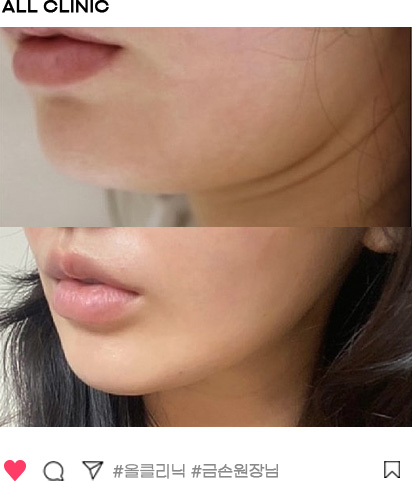
ALL CLINIC Real Selfie Review
It really noticeably smoothed out my double chin and deep cheekbones 🙂
This is already the third time! Inmode Lifting is done every 3-3 weeks.
They say that the effect is better if you take it about 3 times.
I followed it diligently and was really rewarded with results haha
I looked at the photos from before, during, after, and after the 1st, 2nd, and 3rd treatments.
I'm leaving a review because the results were so shocking lol
It looks so sleek now, right? I'm so satisfied💛
FAQ
At All Clinic, located a 1-minute walk from Myeongdong Station Exit 2
We have compiled the most frequently asked questions from those preparing for cheek and temple filler procedures.
Loveline Filler is All Clinic's volume filler program that designs the overall contour and balance of the face by using hyaluronic acid fillers to supplement areas lacking volume, such as sunken sides, hollow cheeks, hollow cheeks, sunken front cheeks, and sunken temples. Rather than simply filling in sunken areas, the program determines the amount of volume required in each area by considering the connection between the front and sides of the cheeks, temples, and cheekbones, as well as the width of the face. In particular, for cheek and temple fillers, even when using the same amount, the facial appearance can look soft and balanced or, conversely, wide and swollen depending on where and how they are placed; therefore, a design that considers the overall facial proportions is crucial. At All Clinic in Myeongdong, Seoul, the Chief Director, who has specialized in filler procedures for over 15 years, assesses the current volume distribution, left-right asymmetry, and skin sagging to determine the necessary areas and dosage.
What is Loveline Filler?
Loveline Filler is a procedure that uses hyaluronic acid filler to supplement volume lacking in the face—such as indentations in the cheeks, sunken cheeks, hollow sides, front cheeks, and temples—making the facial contours softer and more balanced.
It is characterized by designing by considering the interconnected facial volumes, such as the front and side cheeks and temples, together, rather than filling in just a single area.
For example, if the temples and side cheeks are sunken together, rather than injecting a large amount into one area, the dosage is divided and distributed to ensure a natural connection between the two areas.
You do not need to treat all areas at once; you can select and proceed with the areas on your face that currently require change.
Is cheek filler effective for sunken or hollow cheeks?
If the cause of sunken cheeks or hollowing is an actual lack of volume, the sunken areas can be replenished with cheek fillers.
If the sides of the cheeks are sunken, the cheekbones may appear relatively more prominent, and the side profile of the face may look uneven or give the impression of being excessively thin.
At this time, by checking the depth of the hollowness and the line below the cheekbones and using cheek filler in the necessary locations, the facial contour extending from the temples to the cheeks and jawline can be connected more smoothly.
However, since the cause of cheek hollowing can sometimes be related to skin sagging, facial bone structure, or the position of the deep cheek fat, it is advisable to avoid simply filling only the deepest part.
Is cheek filler effective for sunken cheeks?
If the front of the cheeks is actually lacking volume, cheek fillers can be used to supplement the three-dimensionality and volume of the mid-face.
If there is hollowing in the front of the cheeks, the center of the face may appear flat or tired when viewed from the front, and shadows may form in the area extending from below the eyes to the cheeks, making one look older.
Adding appropriate volume in the necessary places enhances the three-dimensional effect of the center of the face and allows surrounding areas to connect more naturally.
However, if you already have sufficient volume in your cheeks and add too much filler, your face may look puffy or wide, so it is important to check your current cheek volume first.
What is the difference between front cheek fillers and side cheek fillers?
Even though front cheek fillers and side cheek fillers are both types of cheek fillers, their purposes of treatment differ.
Front cheek fillers are used to enhance the three-dimensional effect of the cheeks visible from the front and to complement mid-face volume, while side cheek fillers are used to smoothly connect the hollows below the cheekbones and along the side lines of the face.
If the front of the cheeks is severely sunken, the center of the face may appear flat and tired, while severe sunken or hollowing of the sides of the cheeks may make the cheekbones appear relatively prominent and the facial contours look curved.
If both areas are sunken, it is more natural to design the volume by distributing it according to the overall facial proportions rather than concentrating it on one side.
Is it okay to get only temple fillers for sunken temples?
If you are concerned only about hollow temples, a temple filler procedure alone is also possible.
If the temples are sunken, the outer line of the face extending from the forehead to the cheekbones may appear curved, and the cheekbones may look relatively more protruding.
Adding volume to the temples can create a smoother connection between the forehead and the cheekbones.
However, if hollowing of the temples and cheeks are present together, it may be more natural to consider the connection between the two areas rather than excessively filling only the temples.
Doesn't getting cheek fillers make your face look bigger or puffier?
Getting fillers does not necessarily mean your face will look bigger.
Whether the face looks wide is more influenced by the location where the filler is injected and the direction of the volume than by the amount used.
If you overfill the front of the cheeks or the outer edges of the face, which already have sufficient volume, the face may look swollen; however, if you properly fill in areas that are actually lacking, such as sunken cheeks or hollows, the cheekbones can appear less prominent and the overall facial contour can look softer.
Therefore, when using cheek fillers, it is important not to fill in too much, but to accurately identify the deficient areas and use only the necessary amount.
Doesn't getting cheek fillers make your face sag or feel heavy?
Using more filler than is currently needed for the face may make it feel heavy or unnatural.
In particular, if skin elasticity is reduced or there is sagging in the lower face, you must distinguish between sagging and lack of volume rather than filling in large amounts based solely on cheek hollowness.
Conversely, if the face appears sagging due to a decrease in supporting volume in the front or side cheeks caused by aging, adding appropriate volume in the necessary locations can help improve the overall contour.
Ultimately, with cheek fillers, it is important to accurately supplement only the volume currently needed by the face, rather than injecting a large amount.
Which should I do first, fillers or a lift?
It depends on whether the main problem is a lack of volume or sagging of the skin and tissues.
In cases where volume is lost, such as in hollow cheeks or side cheeks, causing shadows and a sunken appearance, fillers can be a more direct solution.
Conversely, if the main problem is that the skin and tissues have sagged and the facial contours have collapsed, you can first consider lifting procedures such as Ultherapy, Thermage, Shurink, or Onda.
In reality, volume loss and sagging often occur together, so it is advisable to determine the order and scope of fillers and lifting based on the current condition of the face.
How many cc is usually needed for cheek fillers and temple fillers?
The required dosage varies greatly from person to person depending on the treatment area and the degree of hollowness.
The required amount varies depending on whether you are correcting a single area of mild sunken cheeks or designing a wide area that includes the temples, side cheeks, and cheek hollows.
Also, even with the same capacity, the visible changes may vary depending on the location and floor where it is placed.
Therefore, rather than determining the correct amount of cc for facial fillers, it is important to identify the areas on the face that need priority improvement and allocate the volume accordingly.
Rather than using an excessive amount from the start, it is also possible to begin within the necessary range, observe the results, and then supplement as needed.
Does full-face filler mean injecting filler into the entire face?
Full-face filler is closer to the concept of designing various necessary areas together based on the overall proportions of the face, rather than meaning injecting filler into every part of the face.
For example, if there is hollowing in the temples and side cheeks together, but the front cheeks are sufficient, you can supplement only the temples and side cheeks.
Conversely, if the center is sunken cheeks, it may be more suitable to create the necessary volume primarily in the cheeks.
In natural-looking full-face fillers, deciding which areas to fill and which to leave untouched is more important than using large amounts on many areas.
Which filler product do you use? Which is better, domestic or imported?
All Clinic uses genuine hyaluronic acid fillers such as Neuramis, Restylane, and Juvederm.
Rather than judging which product is better based solely on whether it is domestic or imported, it is important to select a filler with properties suitable for the treatment area and the desired changes.
When supporting large areas such as the cheeks and temples, proper support is important, and for areas that need to connect naturally with surrounding tissues, volume and texture must also be considered.
Even on the same face, you can choose fillers with different characteristics depending on the front cheeks, side cheeks, and temples.
The Chief Director has a history as a Key Doctor related to Restylane and Neuramis.
How long do the swelling and bruising last after cheek fillers and temple fillers?
After a filler procedure, temporary swelling, tenderness, and minor bruising may occur, and the severity and duration vary from person to person.
Immediately after the procedure, it may appear slightly more swollen than the actual injected volume or feel like there is a difference between the left and right sides.
Therefore, rather than judging the final volume or asymmetry based solely on the appearance immediately after the procedure, it is advisable to observe the progress as the initial swelling subsides.
If pain or swelling worsens over time or if the skin color changes from its usual state, do not wait for it to be just normal swelling; you should have your condition checked at a hospital.
Can the filler be dissolved if it clumps or if I don't like it?
Hyaluronic acid fillers can be partially or completely dissolved using hyaluronidase if necessary.
Even if it feels hard to the touch immediately after the procedure or there is a difference in volume between the left and right sides, this may be due to initial swelling and the process of tissue settling; therefore, unless there are specific abnormalities, we will assess the situation after monitoring the progress.
If clumping, excessive volume, or asymmetry remains even after some time, molding, minor repair, or partial dissolution may be considered depending on the current condition.
Even if there is an excessive amount of filler remaining from another clinic or the position is unnatural, we can check the existing condition, clean it up, and redesign it.
How do I choose a place that does cheek fillers, side cheek fillers, and temple fillers well?
When looking for a place that is good at cheek fillers, it is important to check whether they can actually identify which part lacks volume—such as sunken front cheeks, sunken side cheeks, hollow cheeks, sunken cheeks, or sunken temples—rather than simply injecting a large amount of cc.
Even when using the same product and volume of cheek and temple fillers, the injection location can make the face look soft and balanced, or conversely, wide and swollen.
Therefore, it is important to have experience designing the overall volume of the face by considering the connection and left-right asymmetry of the front and side cheeks, temples, and cheekbones together.
It is also advisable to compare whether genuine hyaluronic acid fillers are used, and whether follow-up care can be monitored after the procedure, as well as whether filler dissolution or supplementation is possible if necessary.
The representative director of All Clinic has focused on filler procedures for over 15 years, and the Loveline filler is also designed to use the necessary amount in the necessary locations on the face, rather than injecting a fixed volume uniformly.
Although located in Myeongdong, Seoul, if you are looking for a filler clinic for sunken side cheeks, hollow cheeks, sunken front cheeks, or temple hollows, it is important to compare clinics based on their experience in analyzing overall facial volume and designing fillers that can create a natural connection, rather than just the location.
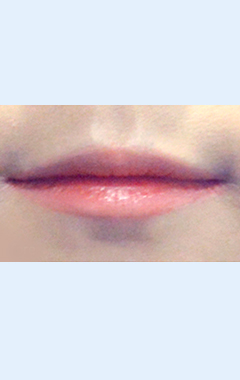
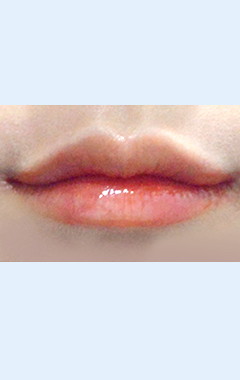
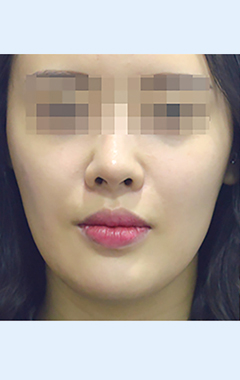
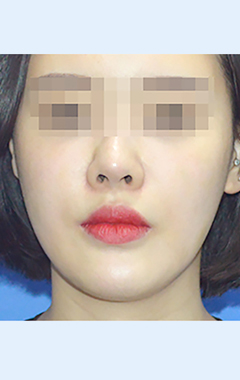
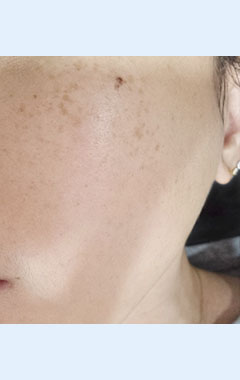


This photo was taken with prior consent and is an unedited image under the same conditions.
The effectiveness of the procedure may vary from patient to patient and may cause bruising, swelling, etc.


🥜How to shape a peanut-shaped 💀skeleton-shaped face
Information
Location
All Clinic, 132rd and 3th floors, Gyeongyang Building, 4 Toegye-ro, Jung-gu, Seoul
ALL CLINIC, 3rd & 4th floor, Gyeongyang Building, 132 Toegye-ro, Jung-gu, Seoul, Korea
2-minute walk from Myeongdong Station, Exit 1
Contact Channels


Treatment Hours
weekday(Weekdays) ㅣ AM 11:00 – PM 21:00
Saturday(Sat.) ㅣ AM 11:00 – PM 16:00
* Closed on Sundays and public holidays
Closed on Sundays and public holidays
Contact